
Living Independently
Practical tools and solutions to help older adults make everyday tasks easier while maintaining greater independence at home.
Living independently doesn’t mean doing everything without help. It means having the right tools and support to keep doing the everyday things that matter.
From reaching items that are difficult to access to getting dressed and managing everyday tasks, small adaptations can make daily life easier and help older adults remain confident in their own homes.
We’ve selected practical products designed to support independence without unnecessarily taking over the tasks your loved one can still do for themselves.
Explore Ways to Live More Independently
There isn’t one solution that works for everyone. The right tools depend on the everyday tasks that have become difficult—from reaching and retrieving items to getting dressed and managing everyday essentials.
Affiliate Disclosure: Some links on this page are affiliate links, which means Roliber may receive a commission if you make a qualifying purchase through the link, at no additional cost to you. Our recommendations are based on the product’s intended purpose and relevance to the challenges discussed.
Everyday Tools for Independent Living
Supporting everyday activities with practical, easy-to-use tools
The right adaptive tool can make a difficult task more manageable while allowing an older adult to continue doing more on their own.
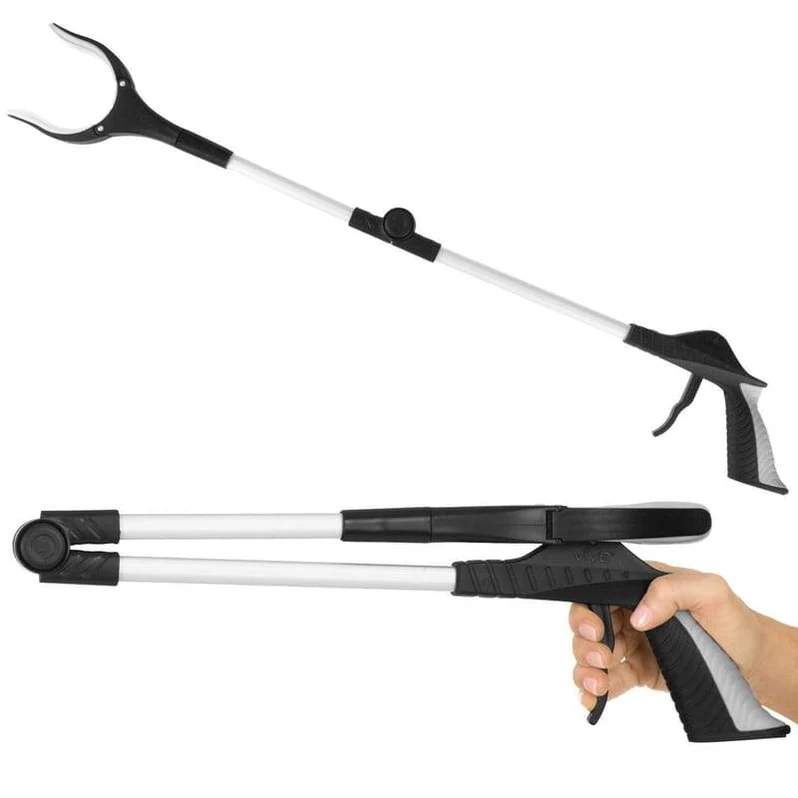
Vive Folding Reacher Grabber
A lightweight reacher designed to help older adults retrieve everyday items without bending, stretching, or reaching into difficult spaces.
Best for: Older adults who have difficulty reaching items on high shelves, behind furniture, or on the floor.
The 32-inch reach, rotating claw, and folding design make it useful around the home while keeping it easy to store when not in use.
Helpful Tip: Choose adaptive products based on the individual’s abilities, comfort, and specific needs. If a task has become difficult because of a significant change in mobility, strength, or coordination, consider discussing appropriate adaptations with a healthcare or occupational therapy professional.
Independence Doesn’t Mean Doing Everything Alone
Small adaptations can make a big difference.
Sometimes the goal isn’t to eliminate every challenge—it’s to make everyday tasks manageable again. A simple tool that helps someone reach an item, get dressed, or unlock their own door can preserve a sense of independence and confidence.
Start with the tasks that have become difficult, then look for practical solutions that provide the right amount of assistance without taking away the independence your loved one still has.
The goal is to support independence—not take it away.